28 July 2026 · 6 min · Seo Siwoo
ATR is a ruler for distance
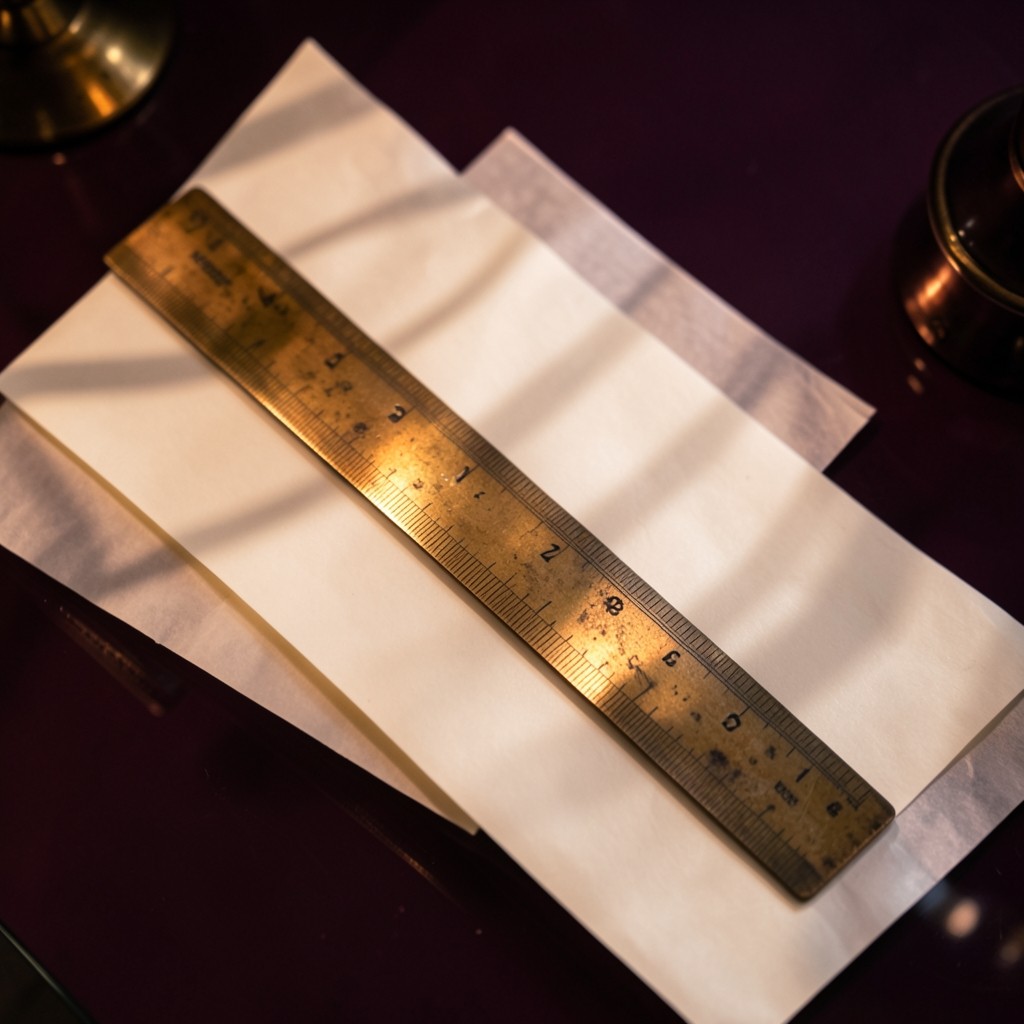
We keep a brass ruler on the desk because it reminds people what an average true range is for. It measures how far price has been traveling. It does not tell anyone to buy or sell. In the second evening of the Range Desk, ATR sits on the sheet as a distance, next to today’s high-to-low, and the only question is whether today has already spent its usual span.
A classroom example we reuse, with round numbers so the arithmetic stays visible: a recent ATR of 8 points, and a morning range already 11. The day has traveled more than its recent habit before lunch. A stop set at one full ATR from a late entry often lands beyond the room that is left in the session. The sizing line then uses the real stop you would need, not the stop you wish were tighter.
Students sometimes want the ruler to become a trigger. We decline. If the morning is already wide, the interesting fact is the width. What you do with a later pullback is a separate mark: is price back inside a range that still means something, or are you shading a box the day has already left?
Nam Yeri’s afternoon sittings often start here, because a private student will bring twelve pages when the useful comparison is two numbers. Today’s range. The recent ATR. If you can say which is larger, and by how much, you have used the ruler. The position size comes after, from the stop distance that comparison forced you to admit.
The Saturday clinic assumes you can already make that comparison. If the ruler itself is new, come to evening two of the desk, or read the session board and sit the next open evening that mentions a wide morning.